
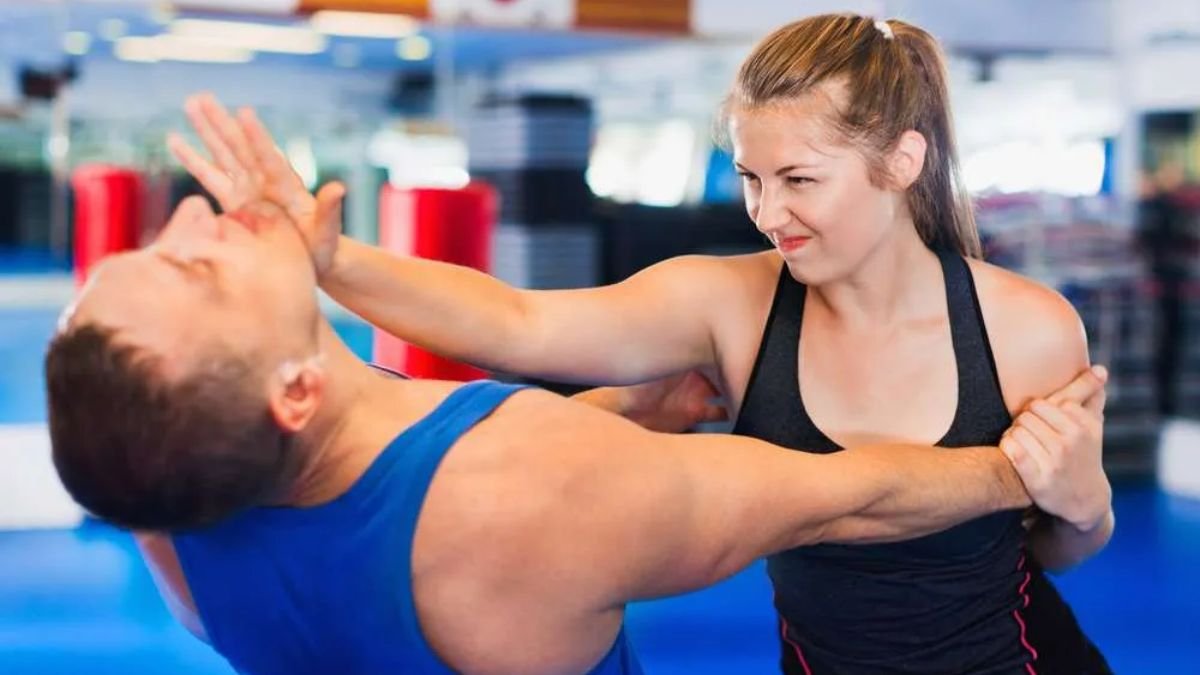
Eskrima—often also referred to as arnis or kali—is a prominent Filipino martial art based on techniques utilizing both weapons and empty hands. It is not only useful for self-defense but also serves as an excellent means to enhance physical fitness, reflexes, mental alertness, and discipline. Given the lack of physical activity in modern lifestyles and growing concerns regarding personal safety, learning a martial art like Eskrima has become beneficial for everyone—children, youth, and adults alike.
Eskrima is practiced using sticks, blades, dummy weapons, and empty-hand techniques. While this martial art may initially appear challenging to beginners, with the right guidance and consistent practice, anyone can master it.
Enhances Physical Strength and Fitness
The primary and most obvious benefit of learning Eskrima is improved physical fitness. Training with sticks and blades strengthens muscles, boosts endurance, and improves overall body balance and coordination.
When you practice Eskrima regularly, the muscles in your arms, shoulders, back, and legs become more developed. This benefit extends beyond just martial arts training, aiding you in other sports and daily activities as well. For instance, your strength and stamina will be significantly enhanced in activities such as running, weightlifting, or participating in team sports.
Mental Alertness and Focus
Eskrima is not merely a form of physical training; it also significantly enhances mental alertness and the ability to concentrate. Through training focused on reflexes and rapid response, students learn to remain calm and centered even in sudden or unexpected situations.
This martial art demands quick decision-making regarding offensive and defensive maneuvers. This process sharpens mental acuity and improves focus. Students not only gain mastery over the martial art itself but also strengthen their cognitive abilities and their capacity to make logical, rational decisions.
Self-Defense Proficiency
The primary objective of Eskrima is self-defense. This martial art equips students with self-defense capabilities through the use of sticks, blades, and empty-hand techniques. Beginners are first taught how to use weapons safely, maintain proper distance, and evade attacks. Gradually, they learn complex techniques that empower them with the ability to defend themselves in real-life situations. This sense of security also boosts their self-confidence.
Improved Reflexes and Speed
Eskrima training places special emphasis on reflexes and speed. Drills involving sticks and blades help develop hand-eye coordination and rapid reaction times.
Practicing offensive and defensive maneuvers at high speeds enhances coordination between the brain and the body. The benefits of this extend beyond martial arts to sports, driving, and everyday activities.
Flexibility and Balance
Eskrima training focuses on footwork and body movements, leading to improved flexibility and balance. This is particularly beneficial for individuals with sedentary jobs or those who are less physically active.
Enhanced physical balance reduces the risk of injury and makes the body more stable and robust. This is especially advantageous for the elderly and children.
Discipline and Mental Patience
The practice of Eskrima cultivates discipline and patience in students. Regular training, adherence to the instructor’s instructions, and practicing according to established rules foster mental discipline.
Students learn that mastering difficult techniques requires both time and effort. This experience proves valuable in other areas of life as well—such as academics, career, and personal development.
Increased Self-Confidence
As students master their techniques and hone their abilities through practice, their self-confidence grows.
This growth in self-confidence is not limited solely to the realm of martial arts; it manifests in their academic, professional, and social lives as well. A self-confident individual is better equipped to face challenges with a more positive and courageous attitude.
Reduces Stress and Anxiety
The practice of Eskrima also contributes to stronger mental health. Regular physical activity and focused practice help reduce stress and anxiety.
While learning techniques in martial arts, the body releases hormones called endorphins, which act as mood enhancers. This helps in maintaining mental and emotional balance.
Teamwork and Social Skills
In Eskrima training, students are frequently taught to work in groups and collaborate. Through sparring and partner drills, students learn the importance of teamwork, respect, and empathy.
These social skills prove beneficial for both children and adults—in school, sports, and their personal lives. They teach individuals how to communicate and collaborate more effectively.
Lifelong Safety and Preparedness
Individuals who learn Eskrima not only become capable of self-defense but also gain confidence in their physical and mental strength. This empowers them to face life’s challenges and take charge of their own safety.
Furthermore, this martial art inspires students to live their lives with stability, heightened awareness, and a positive mindset.
Conclusion: The Significance of Eskrima
In short, Eskrima is not merely a martial art; it is a comprehensive system of training encompassing self-defense, fitness, and mental strength. Its 10 key benefits—physical strength, mental alertness, self-defense skills, improved reflexes, flexibility, discipline, self-confidence, stress reduction, teamwork, and lifelong safety—make it suitable for people of all ages.
If you wish to enhance your fitness, self-defense capabilities, and mental alertness, learning Eskrima is an excellent choice. It not only strengthens the body but also offers wonderful opportunities for mental and social development.
