
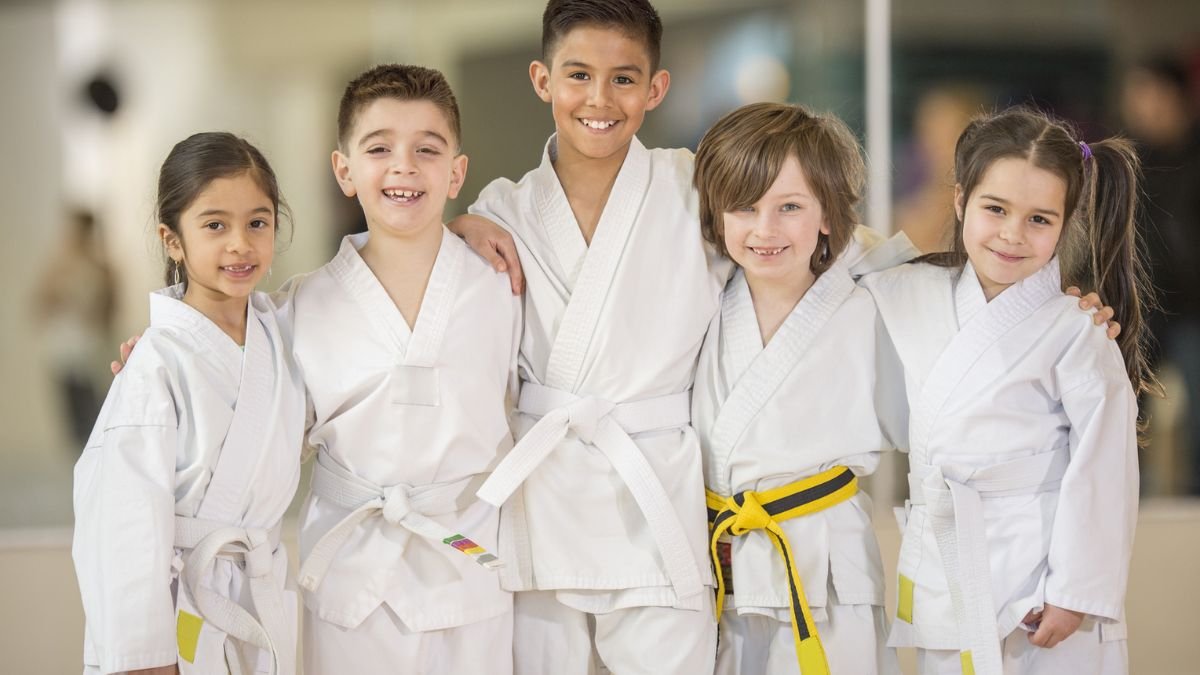
In today’s world, children’s lives are often engulfed by the digital realm and a hectic, fast-paced lifestyle. In such an environment, they require not only physical activity but also opportunities for mental and social development. For children, martial arts serve as more than just a means of self-defense; they are also an excellent tool for holistic development. When children begin martial arts training at a young age, they acquire vital life skills such as focus, discipline, self-confidence, and respect. This training also serves to strengthen their character and mental equilibrium.
Aiding in Enhanced Focus and Concentration
Martial arts training requires every movement, strike, and stance to be executed with meticulous attention. This process significantly enhances a child’s ability to focus. During classes, they are taught to constantly listen to instructions, execute movements at the precise moment, and maintain their concentration on their practice. This not only aids them in their academic studies but also boosts their cognitive abilities and problem-solving skills
Discipline and Adherence to Rules
Martial arts instill in children the importance of discipline and adherence to rules. They develop the habit of arriving at class on time, following instructions, and engaging in regular practice. This sense of discipline gradually becomes an integral part of their daily routine and lifestyle. Consequently, these children become more responsible and learn to channel their habits in a constructive direction.
Building Self-Confidence
As children master new techniques and challenge themselves during practice sessions, their self-confidence grows. Small victories—such as successfully executing a new kick or block—teach children to believe in their own capabilities. This newfound self-confidence manifests itself in various aspects of their lives, including their social interactions, schoolwork, and other extracurricular activities.
Physical Health and Fitness
Martial arts training keeps the entire body active and engaged. It incorporates elements such as running, kicking, striking, maintaining stances, and utilizing stick or weapon techniques, all of which serve to strengthen muscles and enhance flexibility. Regular practice also boosts a child’s stamina, energy levels, and physical endurance, thereby helping them ward off illnesses and maintain a healthy, fit physique.
Mental Fortitude and Emotional Control
Martial arts also make children mentally strong. During training, they learn how to manage emotions such as stress, fear, or anger. This enhances their mental equilibrium, enabling them to face any challenge with calmness and wisdom.
Social Skills and Teamwork
In martial arts classes, children practice alongside their peers. This teaches them the values of teamwork, cooperation, and tolerance. Children learn how to collaborate with others, offer assistance, and maintain respect even in competitive situations. These qualities prove to be highly beneficial in their social lives as well.
Self-Defense and Safety Awareness
Learning martial arts at a young age helps children understand the importance of their own safety. They learn how to protect themselves in potentially dangerous situations. This fosters self-reliance and ensures they are prepared to defend themselves in any unexpected scenario. This sense of safety awareness is also crucial for a child’s psychological development.
Disciplined Lifestyle and Time Management
Martial arts emphasize the importance of regular training and practice. Consequently, children learn effective time management skills. They learn to structure their daily routines in a disciplined manner, thereby maintaining a healthy balance between their studies, sports, and other activities. This habit proves advantageous in every sphere of their lives.
Positive Personality and Life Skills
Learning martial arts at a young age not only makes children physically capable but also fosters the positive development of their personalities. They become disciplined, self-confident, respectful, and responsible individuals. These attributes prepare them to excel in every aspect of life and to face challenges head-on.
Conclusion: The Foundation for a Child’s Bright Future
Martial arts training is not merely about fighting or self-defense; rather, it constitutes a comprehensive system for a child’s holistic development. By learning martial arts at a young age, children acquire vital attributes such as focus, discipline, self-confidence, and respect. Furthermore, by strengthening them both mentally and physically, it equips them to confront every challenge that life may present. If you want your child to grow up to be healthy, self-reliant, and possess a positive personality, enrolling them in martial arts classes at a young age would be an excellent decision. This will prove beneficial not only today but throughout their entire life.
